


 San Francisco
- 교육
San Francisco
- 교육
How Business can be a Force for Good: From Local to Global


Luke Kang 학생기자 소노라 고교 11학년
Since the pandemic, however, I‘ve observed a troubling rise in retail churn and storefront turnover, especially among family-owned businesses. As big-box retailers move in, many mom-and-pop shops are forced to close-some of which I’ve visited since childhood. Their owners are our neighbors, many immigrants who started with modest means yet struggle to compete with corporate chains while facing soaring rents and supply costs. This shift threatens not only our local economy but also our community‘s character. I often wonder whether the next generation will step up to break this cycle and preserve the identity that makes our city unique.
In American society, it is widely accepted that multimillion-dollar companies have a responsibility to “give back.” Influential figures like Andrew Carnegie and Warren Buffett have affirmed this belief. Carnegie’s Gospel of Wealth argues that the ultra-wealthy hold a civic duty to use their resources for the public good. This expectation feels especially relevant today, as corporations increasingly shape not only our economy but also our communities.




Ethics and social impact are becoming as important as what businesses produce. Consumers have the right to question corporate behavior, particularly when cases of labor exploitation and environmental harm come to light. Companies such as Shein and Nike have faced backlash over labor practices and worker welfare. These examples reveal the consequences of prioritizing profit over people.
Still, I believe businesses can be a force for good. Many companies demonstrate genuine commitments to sustainability and ethical standards. The B Lab certification recognizes businesses that meet rigorous social and environmental benchmarks. Socially responsible brands like Patagonia support environmental activism, ethical manufacturing, and initiatives such as 1% for the Planet. Increasingly, businesses are expanding their missions beyond the bottom line and considering their broader societal impact.
Businesses are essential to progress. Despite valid skepticism, I believe they can contribute positively to the world we share. Inspired by growing consumer demand for responsibility and sustainability, I aspire to become a businessperson who actively “grows the good in business.” Rather than viewing social responsibility as an obligation, I hope to embrace it as a privilege-an opportunity to strengthen my community and help build a more equitable future.
<Luke Kang 학생기자 소노라 고교 11학년>
사람·사람들
more
중동 총동문회, 개교 120주년 기념 골프대회
남가주 중동 중고등학교 총동문회(회장 나학수)는 지난 11일 라하브라 웨스트리지 골프코스에서 개교 120주년 기념 동문 친선 골프대회를 개최했…
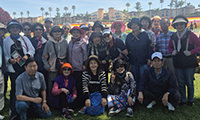
사우스베이 한미노인회 일일관광
사우스베이 한미노인회(회장 전충차)는 지난 18일(토요일) 칼스배드 플라워 필드와 산후안 카피스트라노로 1일관광 나들이를 다녀왔다. 50여명의…
“86세의 영어 전도사”… 한인 시니어에 희망의 …
매주 월요일 오전, LA 한인타운 올림픽과 놀만디 인근에 위치한 ‘코리아타운 시니어 & 커뮤니티센터’(이하 시니어센터) 영어 강의실은 활기로 …
교육원, 한국문화 특강 수강생 모집
LA 한국교육원(원장 이병승)이 ‘2026 성인평생교육 한국문화 특별강좌’ 수강생을 모집한다. 이번 특강은 정규 과정에서 다루지 못했던 다양한…
KYCC 제19회 자선 골프대회 성료
한인타운청소년회관(KYCC·관장 송정호)의 제19회 연례 자선 골프대회가 지난 16일 어바인의 스트로베리 팜스 골프클럽에서 열렸다. 에어비앤비…




- 1
 이란 혁명수비대 “미군에 협력 정황 포착돼 …
 - 2
 美-이란, 주말 2차협상 무산…트럼프 “대화…
 - 3
 中 ‘대중 반도체장비 수출통제 확대’ 美법안…
 - 4
 ‘와’ 김혜성 미쳤다! 역전 막은 환상 홈 …
 - 5
 장동혁 “분명 차관보”… ‘방미 면담’ 美인…
 - 6
 이란 외무장관, 중재국 파키스탄 실세와 회담…
 - 7
 3안타+장외홈런’ 이정후, 사이영상 투수도 …
 - 8
 박보영·김희원 열애설 전말..팬카페에 직접 …
 - 9
 장성규, 변우석 논란에 결국 소송 위기.. …
 - 10
 S&P500 ‘최고·최악의 날’, 트럼프 발…
- 11
 前나토총장 “우크라 의지의 연합, 유럽판 나…
 - 12
 이란전쟁에 美에너지 수출 신기록…유럽·아시아…
 - 13
 이란 외무, 파키스탄에 종전 요구사항 전달하…
 - 14
 세계 바다지도서 ‘일본해’ 사라진다…디지털 …
 - 15
 “이게 말이 되냐” 전처 분노.. ‘불륜 의…
 - 16
 ‘컷오프’ 국힘 이진숙 “대구시장 선거 출마…
 - 17
 오빠는 현행범 체포 뉴스·언니는 동생 내세워…
 - 18뉴저지 작은 마을 ‘암 공포’…주민 41명 투병
- 19
 베네수-콜롬비아 “국경 마피아 소탕”…에너지…
 - 20
 청, 한미 이상기류 인정… “미·정동영 인식…
- 21
 WSJ “포드, 中지리차 기술 美출시… 1
 - 22
 “차량 훔치는 데 1분이면 끝”
 - 23
 “中, 자국 기술기업에 ‘정부 승인 없이 美…
 - 24
 닥치는 대로 AI칩 쓸어담는 메타…아마존 C…
 - 25
 반독점 심사 앞둔 파라마운트, 트럼프 만찬에…
 - 26
 라디오서울 AM 1650이 준비한 특별 무대…
 - 27뉴욕시 ‘업소 셔터(롤다운 게이트)’ 투시율 70% 의무화
- 28
 ‘시민권 박탈’본격 착수 귀화 384명 우선…
 - 29
 중도층 국힘 지지 12%… 장동혁은 … 1
 - 30
 “머스크, 스페이스X 저금통처럼 활용…5억달…














오피니언

 홍진배 정보통신기획평가원장
 [로터리] 방산 AI가 국방력 좌우한다
 오세정 전 서울대 총장 물리천문학부 명예교수
 AI 기술의 위험성에 대비해야
- 박시진 서울경제 국제부 차장
[동십자각] 속도 파는 아마존, 속도 중독 한국
 정숙희 논설위원
“인생은 거대한 농담” 베르디의 ‘팔스타프’
 파리드 자카리아
 중국의 눈으로 본 트럼프의 혼란스러운 이란 전쟁
- 김동찬 시민참여센터 대표
[미국은 지금] 푸틴의 러시아, 미국의 롤모델이 될 것인가?
1/3
지사별 뉴스

‘시민권 박탈’본격 착수 귀화 384명 우선 타깃
도널드 트럼프 행정부가 미국 외 국가에서 태어나 시민권을 취득한 귀화 이민자들을 대상으로 대대적인 ‘시민권 박탈(Denaturalization…
뉴욕시 ‘업소 셔터(롤다운 게이트)’ 투시율 70% 의무화

“차량 훔치는 데 1분이면 끝”
워싱턴 DC 일대에서 차량을 훔쳐 아프리카로 밀수출한 조직이 적발돼 6명이 기소됐다.연방 검찰은 22일 보도자료를 통해 워싱턴 DC 지역에서 …
강력범죄⇩ 도박·성매매⇧…PW 카운티 작년 범죄율 9.3% 감소

美, 이란과 협상 재개수순…백악관 “협상팀 25일 파키스탄행”
백악관은 미국의 대이란 협상팀인 스티브 윗코프 대통령 중동특사와 재러드 쿠슈너(도널드 트럼프 대통령 맏사위)가 이란과의 협상을 위해 오는 25…
“한인들이 가장 많이 찾는 명품 업소록”




















 | ||
|



- 로그인
- 회원가입
Koreatimes.com 서비스는 Ktown1st.com과 통합계정입니다. 계정이 없으신 분은 회원가입을 해 주세요.
.png)



댓글 안에 당신의 성숙함도 담아 주세요.
'오늘의 한마디'는 기사에 대하여 자신의 생각을 말하고 남의 생각을 들으며 서로 다양한 의견을 나누는 공간입니다. 그러나 간혹 불건전한 내용을 올리시는 분들이 계셔서 건전한 인터넷문화 정착을 위해 아래와 같은 운영원칙을 적용합니다.
자체 모니터링을 통해 아래에 해당하는 내용이 포함된 댓글이 발견되면 예고없이 삭제 조치를 하겠습니다.
불건전한 댓글을 올리거나, 이름에 비속어 및 상대방의 불쾌감을 주는 단어를 사용, 유명인 또는 특정 일반인을 사칭하는 경우 이용에 대한 차단 제재를 받을 수 있습니다. 차단될 경우, 일주일간 댓글을 달수 없게 됩니다.
명예훼손, 개인정보 유출, 욕설 등 법률에 위반되는 댓글은 관계 법령에 의거 민형사상 처벌을 받을 수 있으니 이용에 주의를 부탁드립니다.
Close
x